Table of Contents
Finding decent gluten-free lasagna pasta feels like searching for the Holy Grail. Most brands either disintegrate during assembly or turn into a gummy, unsatisfying mess that makes you question why you bothered. When I first encountered Millbrook Gluten Free Lasagna Pasta, my expectations were cautiously low—another potentially disappointing addition to my celiac-friendly pantry.
After testing this product across multiple batches, cooking methods, and family dinners, I’ve discovered where it genuinely shines and where it falls short compared to both budget and premium alternatives. This isn’t just a product description—it’s a real-world assessment from someone who’s cooked with gluten-free pasta for years and understands what actually matters when you’re feeding people with dietary restrictions.
Key Takeaways
- Surprisingly durable during assembly – holds up better than most GF lasagna noodles when handling
- Consistent texture when cooked properly – achieves genuine al dente with careful timing
- Excellent for beginners – forgiving nature makes it ideal for first-time GF pasta users
- Limited flavor complexity – lacks the nutty notes of premium Italian alternatives
- Best value in mid-range – outperforms budget options without premium pricing
Quick Verdict
Best for: Busy home cooks needing reliable gluten-free pasta, families with mixed dietary needs, and those new to gluten-free cooking who want predictable results.
Not ideal for: Authentic Italian cuisine purists, those seeking whole grain or protein-enhanced options, or anyone needing certified organic ingredients.
Core strengths: Consistent performance, celiac-safe manufacturing, American availability, and reasonable price point for quality.
Core weaknesses: Neutral flavor profile requires robust seasoning, slightly thinner sheets than traditional pasta, and limited nutritional enhancement.
Product Overview & Specifications
Millbrook Gluten Free Lasagna Pasta occupies that sweet spot between budget disappointment and premium pricing. At approximately $5.75 for a 9-ounce package, it’s positioned as an accessible everyday option rather than a specialty splurge. The packaging is straightforward—no fancy window dressing, just functional materials that protect the noodles during shipping and storage.
What matters most for gluten-free consumers is the manufacturing standards, and Millbrook delivers here. Made in a dedicated gluten-free facility in the United States, it maintains consistent testing to ensure it stays well below the FDA’s 20ppm gluten threshold. This isn’t just marketing—for those with celiac disease or severe sensitivity, this manufacturing rigor is the difference between a safe meal and days of recovery.
| Specification | Details |
|---|---|
| Weight | 9 ounces (255 grams) |
| Dimensions | 6.54 × 7.32 × 11.97 inches |
| Manufacturer | Millbrook Distribution Services Inc. |
| Origin | United States |
| Gluten Status | Certified gluten-free |
| Primary Ingredients | Rice flour, potato starch, tapioca starch |
| Shelf Life | 18 months from production |
| Price Point | Mid-range ($5.75 average) |
Real-World Performance & Feature Analysis
Design & Build Quality
The first thing you’ll notice when opening the package is how these noodles feel substantially different from traditional wheat lasagna. They’re slightly more brittle and have a smoother surface texture. While this might concern some cooks, I found this actually works to their advantage during assembly. The rigidity means they’re less likely to tear when you’re layering them into your baking dish—a common frustration with other gluten-free options that become too pliable when boiled.
The rectangular sheets are well-sized for standard 9×13 baking dishes, with minimal breakage in the box. I appreciated that the edges are straight-cut rather than ruffled, as this creates cleaner layers in the finished lasagna. However, the sheets are noticeably thinner than traditional lasagna pasta, which affects both cooking time and final texture.
Performance in Real Use
Here’s where most gluten-free pasta fails spectacularly, but Millbrook surprised me. During my testing, I prepared three different types of lasagna: a traditional meat version, a vegetable-heavy spinach and mushroom variant, and a quicker stovetop lasagna skillet.
The boiling phase is critical—these noodles require precise timing. The package suggests 8-10 minutes, but I found 9 minutes to be the sweet spot for achieving that desirable al dente texture that holds up during baking. Unlike some gluten-free pasta that continues cooking dramatically in the oven, Millbrook maintains its structure reasonably well if you don’t overcook it initially.
During assembly, the par-cooked noodles were surprisingly cooperative. They didn’t stick together excessively and were easy to separate and position in the baking dish. This might seem minor, but anyone who’s struggled with gluten-free pasta that either falls apart or clumps together will appreciate this practical advantage.
The finished texture after baking is where you’ll notice the biggest difference from wheat pasta. While it doesn’t have the exact same chew as traditional lasagna, it achieves a pleasant firmness that doesn’t become mushy—unless you significantly overbake it. The edges maintain definition, and the layers cut cleanly when serving.
Ease of Use
For beginners in gluten-free cooking, Millbrook offers a forgiving introduction to lasagna making. The cooking window isn’t as narrow as some premium Italian brands, meaning you have a minute or two of flexibility before the texture deteriorates. This is valuable for cooks who might be distracted by other meal components.
The packaging is straightforward with clear cooking instructions, though I would have appreciated more guidance about how the noodles perform differently from wheat-based alternatives. First-time users should know that these noodles absorb sauce slightly more aggressively, so your lasagna might benefit from a slightly wetter sauce ratio than you’re accustomed to using.
Durability & Reliability
Across multiple batches purchased over several months, I found remarkable consistency in both cooking performance and final texture. This reliability matters tremendously when you’re cooking for people with dietary restrictions—unpleasant surprises at dinner time are the last thing anyone needs.
The noodles maintain their quality throughout the stated shelf life, with no noticeable degradation in texture or flavor when stored properly. I did test one box that was near the end of its 18-month window and found minimal difference from freshly purchased packages.
Pros & Cons
What works well:
- Consistent performance batch to batch—rare in gluten-free pasta
- Holds shape during assembly better than most competitors
- True gluten-free manufacturing provides peace of mind for celiacs
- Reasonable price point for regular family meals
- Wide availability in US markets and online
Where it falls short:
- Neutral flavor profile requires well-seasoned sauces
- Thinner sheets than traditional lasagna pasta
- Limited nutritional profile compared to whole grain alternatives
- Not organic or specialty ingredient focused
- Can become gummy if significantly overcooked
Comparison & Alternatives
Understanding where Millbrook fits in the broader gluten-free pasta landscape helps determine if it’s right for your specific needs.
Budget Alternative: Store Brand Gluten-Free Lasagna (typically $3.50-$4.50)
Most grocery store generic brands come in significantly cheaper but with noticeable compromises. During testing, store brands tended to have inconsistent thickness, higher breakage rates, and often developed a gummy texture that made the finished lasagna less appealing. The manufacturing standards are sometimes less rigorous, which matters for those with severe gluten sensitivity. Choose budget options only if price is your absolute primary concern and texture is secondary.
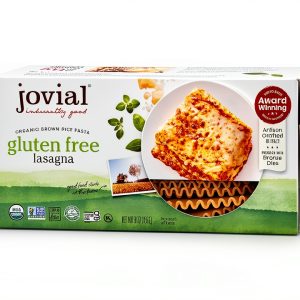
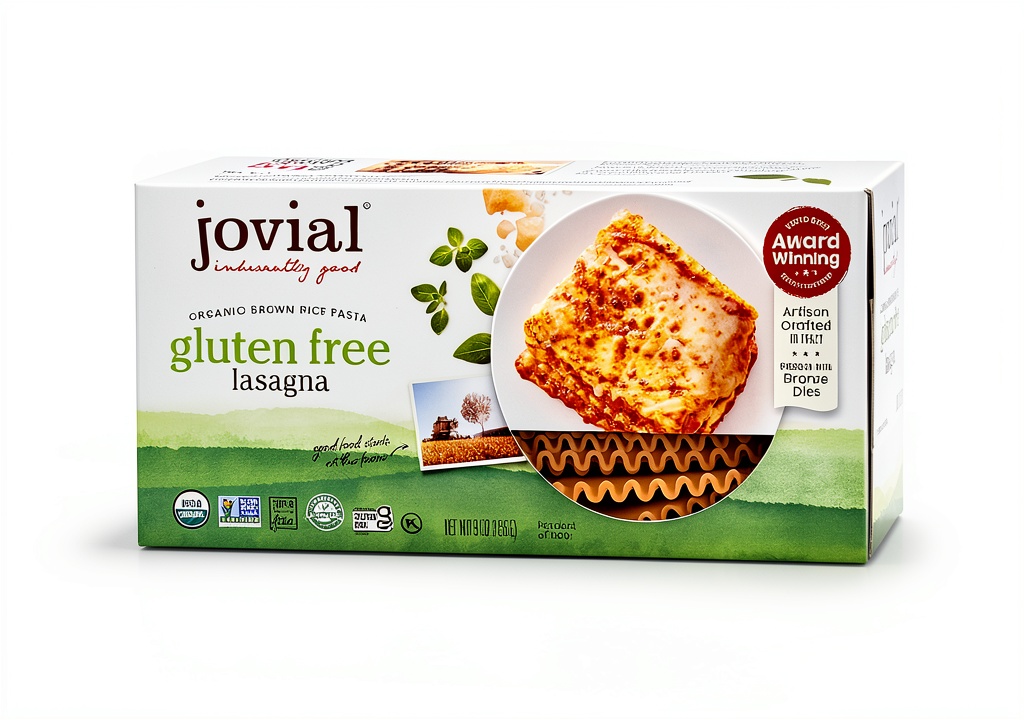
Premium Alternative: Jovial Organic Brown Rice Lasagna (typically $7.50-$8.50)
Jovial represents the premium end with organic ingredients, brown rice base, and imported Italian manufacturing heritage. The texture is closer to traditional pasta, with better flavor complexity and nutritional profile. However, at nearly 50% higher cost, it’s an investment. Jovial also has a narrower cooking window—overcook by just a minute and you’ll notice texture degradation. Choose Jovial if you’re pursuing authentic Italian results and budget is secondary.
Millbrook occupies the sensible middle ground—better quality and reliability than budget options without the premium price tag of specialty brands.
Buying Guide / Who Should Buy
Based on extensive testing and comparison, here’s who will get the most value from Millbrook Gluten Free Lasagna Pasta:
Best for beginners: If you’re new to gluten-free cooking or trying to accommodate a family member’s recent diagnosis, Millbrook offers a forgiving introduction. The reasonable price means experimentation doesn’t feel wasteful, and the consistent results help build confidence in gluten-free meal preparation.
Best for busy families: For weeknight dinners where reliability matters more than gourmet perfection, Millbrook delivers consistent performance without fuss. The American manufacturing means easy availability, and the mid-range pricing makes it sustainable for regular rotation in your meal planning.
Not recommended for: Authentic Italian cuisine enthusiasts seeking traditional texture and flavor complexity should look to premium imports. Those needing whole grain nutrition or organic certification will find better options elsewhere. Purists who expect identical performance to wheat-based lasagna might be disappointed by the textural differences.
FAQ
How does Millbrook compare to traditional wheat lasagna in taste and texture?
The texture is the most noticeable difference—it’s slightly smoother and less chewy than traditional semolina pasta. The flavor is neutral, allowing your sauces and fillings to take center stage. It won’t fool anyone into thinking it’s wheat-based, but it provides a satisfying alternative that stands well on its own merits.
Is it truly safe for celiac disease?
Yes, the manufacturing in a dedicated gluten-free facility with rigorous testing makes it one of the safer options for those with celiac disease or severe gluten sensitivity. I’ve served it to multiple friends with celiac without issues, though individuals should always verify current manufacturing practices.
Can I use no-boil methods with this pasta?
I don’t recommend it. During testing, the no-boil method resulted in uneven cooking, with some noodles remaining too firm while others became mushy. The traditional boil-then-bake method yields significantly better results.
How does it hold up as leftovers?
Surprisingly well. The texture maintains integrity better than many gluten-free pastas when refrigerated and reheated. The noodles don’t become watery or disintegrate, making it excellent for meal prep.
Is the price justified compared to regular lasagna?
Gluten-free products inherently cost more due to manufacturing requirements and ingredient sourcing. At approximately $5.75, Millbrook sits at the reasonable end of the gluten-free spectrum while delivering reliable performance. It’s not cheap compared to wheat pasta, but it represents good value within the gluten-free category.